
Boarding schools in Europe: what sets them apart from traditional school models
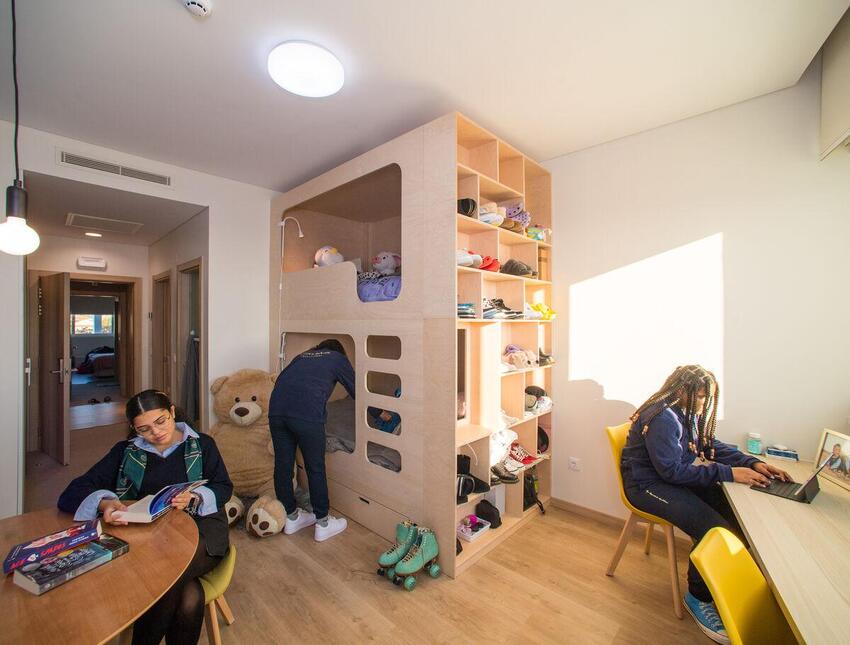
A boarding school is a residential educational institution where students live and study on the same campus, with full supervision and a structured daily routine. This model is centuries old in Europe, especially in the United Kingdom, and today attracts families from all over the world who seek a more comprehensive education than what the day school model offers. Understanding the differences between the two formats helps in making a more informed decision for a child's educational journey.
What is a boarding school and how does it work?
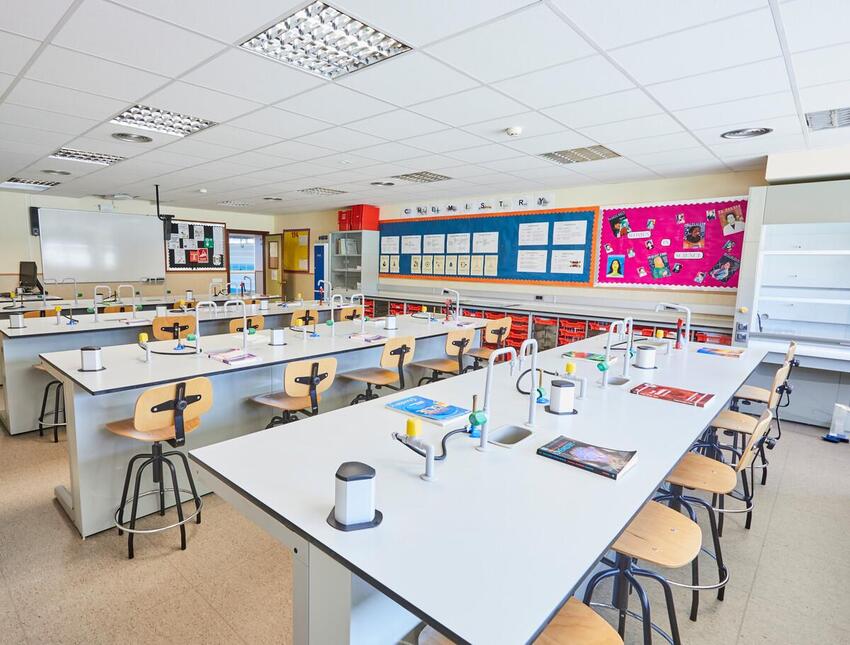
At a boarding school, students live on campus during the academic year. The routine integrates classes, meals, sports, extracurricular activities, and supervised study all within a single environment.
This model contrasts with day school, where students attend classes and return home at the end of the day. At a boarding school, the school is home, which creates continuous immersion in the local language and culture.
House system (British boarding schools):
- Groups from different year levels live together in the same house
- The housemaster monitors individual development
- The system encourages intergenerational relationships and collective responsibility
What are the main differences between boarding school and day school?
What are the specific benefits of boarding school for international students?
For those planning to study abroad, a boarding school simultaneously addresses what a day school requires to be organized separately: accommodation, meals, transportation, emotional support, and extracurricular schedules.
Language immersion is complete, occurring during meals, sports, weekend activities, and informal dormitory conversations. This level of daily exposure accelerates fluency in a way that isolated classes cannot replicate.
Skills developed more consistently at boarding school:
- Autonomy in managing time and personal responsibilities
- Living in a multicultural community with clear rules and boundaries
- Resolving daily situations without the immediate support network of family
What kind of routine does a student have at a European boarding school?
A typical European boarding school routine includes:
- Breakfast and morning assembly in the house
- Morning and afternoon class blocks
- Lunch in the communal dining hall with the school community
- After-school sports practice or arts rehearsals
- Communal dinner
- Supervised evening study hall
- Rest time with age-group specific curfew
This structure provides a consistent rhythm which, according to research cited in specialized international education portals, is associated with better academic performance and greater preparation for university life.
Is boarding school suitable for all student profiles?
No. The model requires adaptation to an intense communal environment. Students who have not yet developed basic autonomy may find the transition difficult in the first few months.
Young people with an independent profile and cultural curiosity adapt quickly. Knowing what it's like to study at a boarding school in practice helps families calibrate expectations before making a decision.
Boarding schools in Europe: which regions offer the most options?
The United Kingdom has the largest network of independent boarding schools in Europe, with a curriculum based on GCSEs and A-Levels. Spain, Portugal, and Italy have boarding schools with an IB or bilingual curriculum.
By region, the key differentiators are:
- United Kingdom: established British system, GCSE and A-Level curricula, wider variety of sports programs
- Spain and Portugal: Spanish or Portuguese immersion combined with English, IB curriculum available
- Italy: boarding schools focusing on arts, design, and sciences, some with IB curriculum
The comparison between boarding school and conventional high school details differences in accreditation, curriculum, and application process by country.
Frequently Asked Questions about Boarding Schools in Europe
What is the difference between boarding school and high school?
High school is a generic term for secondary education, which can be attended at either a day school or a boarding school. A boarding school is the residential model, while high school describes the level of education. A boarding school can offer the British high school curriculum (GCSEs, A-Levels) or an international (IB) curriculum.
From what age can a student enter a European boarding school?
Most European boarding schools accept students from the age of 13 for full residential programs. Some have sections for younger students with adapted support structures. The most common age range for international students is 14 to 18 years old.
Is advanced English required to enter a British boarding school?
Not for the application process, but the minimum level required to follow classes varies by institution. Most require a solid communicative level (B1/B2 equivalent) and offer ESL support at the beginning of the program.
Boarding school in Spain or the UK: which to choose?
The choice depends on the target language and desired curriculum. British boarding schools offer the GCSEs and A-Levels system, widely recognized for applications to English-speaking universities. Spanish schools combine Spanish with English and may offer the IB, which has broader global acceptance.
Does Be Easy work with boarding schools in Europe?
Yes. Be Easy offers a curated selection of partner boarding schools in the UK, Spain, Portugal, and Italy, with full support for the application and adaptation process.
Be Easy: Boutique Study Abroad Consultancy
Be Easy supports families who want to provide their child with a distinctive education before university. If a European boarding school aligns with their profile, we have the right curated selection to ensure they build this journey in the right environment. To explore the options available by country and speak with a dedicated senior consultant, learn about the High School program at Be Easy or contact us to start the project.

