
English + martial arts during vacation: how to optimize performance through exchange
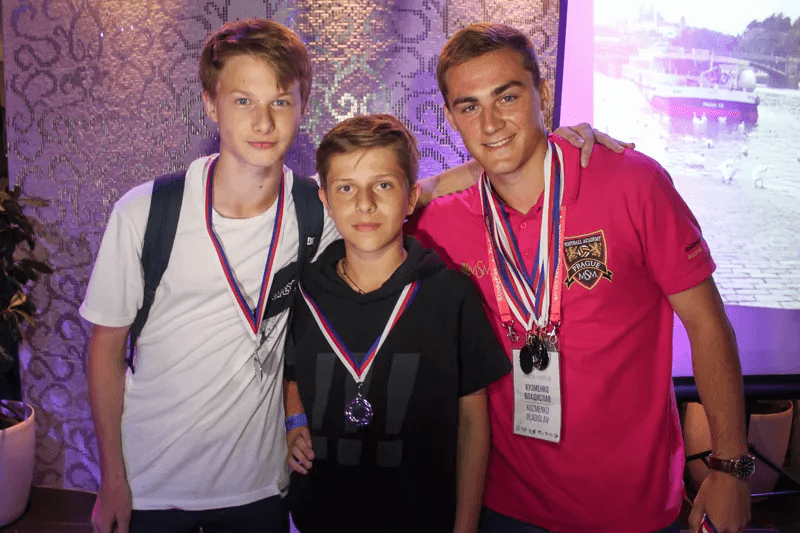
School holidays provide the perfect window to combine language learning with sports development. Programs that integrate English and martial arts create a unique synergy, where each activity enhances the other, accelerating results in both areas in a natural and engaging way.
Cultural immersion through sport eliminates traditional barriers to language teaching. When teenagers practice martial arts in English, focusing on the technique makes them absorb vocabulary and linguistic structures without realizing it, transforming learning into something spontaneous and pleasurable.
Why combining English with martial arts speeds up results
The required concentration in the martial arts transfers directly to language learning. The state of mindfulness developed during training creates ideal conditions for absorbing technical vocabulary, commands, and modality-specific expressions.
The social aspect of international academies forces constant communication in English. From greeting classmates to understanding detailed sensei instructions, each interaction contributes to natural fluency that would hardly be achieved in traditional classrooms.
Ideal destinations for sports vacation programs
The United States and Canada lead in infrastructure for combined language and martial arts programs. Specialized academies offer bilingual instructors and pedagogical methods that integrate teaching English with martial techniques in a structured way.
The United Kingdom and Ireland provide immersion in British English through boarding school programs that include martial arts in the curriculum. For families considering exchange for teenagers, these destinations combine educational excellence with sports development.
Integrated learning methodology: how it works
Typical structure of combined programs:
- Morning - English classes focused on sports vocabulary and specific martial terminology
- Afternoon - Practical training conducted entirely in English with native instructors
- Night - Cultural activities that reinforce learning through real situations
- Weekends - Friendly competitions and intensive technique and language workshops
The methodology takes advantage of muscle memory to fix linguistic structures. Commands such as “guard up”, “step forward” or “breathe deeply” become automatic, creating neural associations between movement and language that persist beyond the program.
Neurological benefits of the sport-language combination
Research shows that physical activity synchronized with language learning activates multiple brain areas simultaneously. The martial arts, with their complex sequences of movements, stimulate neuroplasticity that facilitates the acquisition of new languages.
The production of endorphins during exercise creates a mental state optimized for memorization. Adolescents in combined programs show 40% higher vocabulary retention compared to traditional teaching methods, especially in technical terminology and practical expressions.
How to optimize performance through cultural immersion
Full immersion eliminates the tendency to mentally translate from the native language. When young people “think” in English during sparring or kata, they develop intuitive fluency that transcends formal academic knowledge.
For students interested in high-level sports programs, the combination with English prepares for future international opportunities. American and European universities value candidates who are fluent in both the modality and the language of instruction.
Accelerated progression: typical result schedule
The evolution in combined programs follows predictable patterns that optimize both martial and linguistic abilities. Early weeks focus on adaptation and basic vocabulary, while advanced phases integrate philosophical concepts and complex techniques.
Integrated development schedule:
- Weeks 1-2 - Cultural adaptation, basic vocabulary and fundamental techniques
- Weeks 3-4 - Advanced combinations, fluent conversation during workouts
- Weeks 5-6 - Technical sparring, understanding of martial philosophy in English
- Weeks 7-8 - Complete autonomy, ability to teach basic techniques in English
Young people who complete 8 weeks show solid conversational proficiency and technical proficiency equivalent to 6 months of traditional training separated from language study.
Overcoming Common Adaptation Challenges
The initial language barrier dissolves quickly when the focus is on physical action. Teenagers who are shy with English discover confidence through achievements on the mat, transferring that self-esteem to verbal communication.
Cultural differences in martial arts enrich practitioners' global perspective. Concepts such as German “respect”, Japanese “dojo kun” or “bushido” become natural bridges for intercultural understanding, preparing young people for international educational experiences future.
Pre-program preparation to maximize utilization
Familiarizing yourself with basic terminology before the trip optimizes enjoyment from day one. Prior knowledge of fundamental positions, greetings, and simple commands allows immediate focus on advanced techniques.
Adequate physical preparation avoids injuries that could interrupt learning. Flexibility, basic cardiovascular conditioning, and functional strength facilitate adaptation to higher intensities of international programs.
Choosing the ideal program for your profile
Specialized academies offer different approaches depending on the modality and initial level of English. Beginner programs emphasize safety and slow grading, while advanced options allow for international competitions and certifications.
For families seeking complete educational experience, programs that combine boarding school with martial arts offer solid academic structure along with intensive sports and language development.
Transfer of skills for academic and professional life
The mental discipline developed through bilingual training creates lasting advantages in academic environments. Students demonstrate greater capacity for concentration, stress management, and intercultural communication.
Global employers value professionals who combine sports discipline with language fluency. The experience of overcoming physical and communicative challenges simultaneously develops leadership and adaptability essential for international careers.
Be Easy
Be Easy understands that the integral development of young athletes requires experiences that combine sporting excellence, linguistic mastery and authentic cultural immersion. Our sports exchange programs connect students from around the world with opportunities that transform vacations into investments for the future. Contact us and discover how combining a passion for martial arts with fluency in English can open doors to a successful international career.

