
Summer School Fellowship Award: what it is and how it works
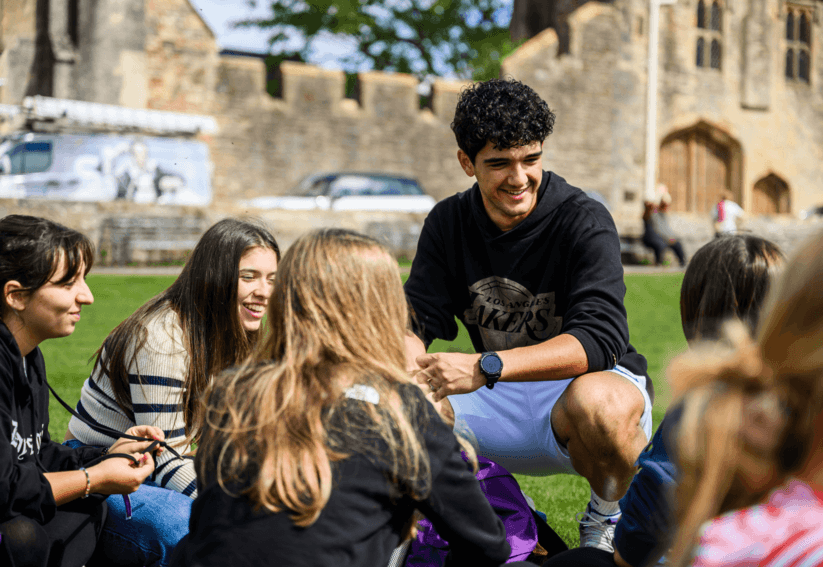
The Fellowship Award is an intensive academic research program conducted at The Leys School, Cambridge, aimed at students between 13 and 17 years old with an intellectually ambitious profile. Under the supervision of Professor David Faulkner, former Director of the MBA at the University of Oxford's Saïd Business School, the program goes beyond traditional teaching: the student develops an original academic article, with individual guidance from a PhD researcher from institutions such as Oxford and Cambridge. In this article, we explain how the program works, what it delivers, and why it has become part of the trajectory of young people seeking elite universities.
What is the Summer School Fellowship Award?
The Fellowship Award is the most in-depth academic modality within Summer School. While most summer programs offer group classes and thematic activities, the Fellowship Award places the student in the role of researcher: he chooses a topic of interest to him, develops a research question, and produces a structured academic article over the two weeks of the program.
Unlike exhibition courses, the focus here is on the skills most valued by universities such as Oxford, Cambridge, and the American Ivy Leagues: critical thinking, intellectual curiosity, capacity for argument and independent research. It is precisely these competencies that admission committees evaluate in the selection processes of the best universities in the world, and which are rarely developed in conventional high school.
The program takes place at The Leys School, one of Cambridge's leading independent schools, founded in 1875. The location isn't just symbolic: the campus environment, body of mentors, and routine are entirely shaped by the Cambridge intellectual standard.
How does the program work in practice?
What is the structure of the daily routine?
The program lasts 15 days, from July 15 to 29, 2026, and combines intense academic work with cultural and social activities. The grid is organized as follows:
- Mornings: lectures, group discussion, academic writing, and mentor-guided case studies
- Afternoons: Cambridge tours, campus activities and trips to London in two dedicated days
- Nights: house activities, sports, quiz and entertainment
This structure ensures that the student advances the research project without giving up contact with the university city and with colleagues of more than 80 nationalities.
How does individual mentoring work?
Each student is accompanied by a PhD researcher linked to universities such as Oxford and Cambridge. This mentoring is individual, focused on the topic chosen by the student, and covers three fronts:
- Definition of the research question and choice of reliable sources
- Development of the methodology and critical analysis of the evidence
- Structuring and revision of the final academic article
The staff-to-student ratio is 1 to 6, which guarantees genuine attention to each participant. The team also resides on campus, with supervision available 24 hours a day, 7 days a week.
What research topics can the student choose?
The program does not define a fixed theme: the student chooses the area that most arouses their intellectual curiosity. Examples of themes developed by previous participants include:
- Artificial Intelligence and Ethics
- Climate Policy and Global Economy
- Neuroscience of Decision Making
- Behavioral Economics and Consumer Choice
- The Future of Renewable Energies
- The Psychology of Social Networks
That freedom of choice is intentional. Elite universities expect the candidate to demonstrate genuine and in-depth interest in a specific area, not just broad academic achievement. The article produced in the Fellowship Award may make up the student's portfolio of university applications as concrete evidence of this intellectual commitment.
What does the student receive at the end of the program?
In addition to the academic article, the program includes a set of submissions that go beyond the two weeks in Cambridge:
- Documented development of skills in research, writing, and academic presentation
- Possibility of publishing the article on the Socratic Fellowship digital portal
- Option to continue working with the PhD mentor for up to 12 months after the program, through online tutorials
Continuity with the mentor is a relevant differential. It allows the student to deepen the research initiated at Cambridge and, if desired, to prepare the article for submission to academic publications for young people, which further strengthens the profile for applications.
Families that follow this process carefully tend to seek, in parallel, other ways to structure their child's trajectory. O Be Easy's overseas High School program It is one of the paths that complements this preparation, by inserting the student into an international environment with academic requirements over one or two years.
Why is Cambridge the right environment for this type of program?
Cambridge isn't just a prestigious address. It is a university city with an active intellectual culture, where academic debate takes place outside classrooms, on the streets, in historic pubs, and in college gardens. For a student aged 13 to 17 who is still forming their intellectual identity, spending two weeks in this environment has an effect that goes beyond the curriculum.
The campus of The Leys School combines classic architecture with modern facilities. Excursions include a tour of Cambridge universities, a boat ride on the River Cam and a visit to Market Square, plus two days in London. These experiences build familiarity with the British academic environment, something that makes a difference when the student begins to consider applications to universities in the United Kingdom.
For families who want to understand how the British university system works and how to position their child to apply for it, the article on How to study at Oxford and Cambridge using the National Mathematics and Science College method details the path that many international students have followed.
Is the program suitable for any teen?
The Fellowship Award was designed for students between 13 and 17 years old with an ambitious academic profile, that is, young people who already demonstrate above average intellectual curiosity, ease with reading and writing in English, and genuine interest in some area of knowledge. It is not necessary to have previous experience in academic research: the PhD mentor accompanies the process from the beginning.
The program is intense and requires commitment. The mornings are dedicated to real intellectual work, not to playful activities on scientific topics. Families seeking a summer program focused on fun and socialization may find options that are more aligned with this profile. The Fellowship Award is for students who want to leave Cambridge with a concrete intellectual product and a differentiated argument for university applications.
Frequently Asked Questions about the Summer School Fellowship Award
Is the program taught in English?
Yes, entirely in English. The student must have an intermediate to advanced level to follow the lectures, participate in the discussions, and write the academic article. The interaction with more than 80 nationalities also takes place in English.
Can the article produced in the program be used to apply to universities?
Yes. The article is an original work by the student, developed under the guidance of a PhD researcher. It can make up the application portfolio as evidence of analytical capacity and intellectual commitment to the chosen area.
Can my child continue working with the mentor after the program?
Yes. The program offers the option of continuing with the PhD mentor for up to 12 months through online tutorials. This continuity is especially useful for students who wish to deepen their research or prepare the article for publication.
Where are students staying during the program?
Students are housed on the campus of The Leys School in Cambridge. The team also resides on campus and maintains supervision 24 hours a day, 7 days a week for the entire duration of the program.
Does the Fellowship Award replace High School abroad?
No. They are programs with different objectives. The Fellowship Award is a two-week summer program focusing on academic research. High School abroad is a one- or two-year program that provides international formal education. Many students do both at different times in their careers, using the summer program as a first step.
Be Easy: Boutique exchange consultancy
Be Easy accompanies families who want to structure their child's international academic trajectory with discretion and clarity. If the Summer School Fellowship Award is part of what you're evaluating, we have the curating right to contextualize this program within a broader plan and talk about the next steps in depth. To understand the options available and speak with a dedicated senior consultant, contact us.

