
Agrifood Tech in Italy: open places for the 2027 summer camp
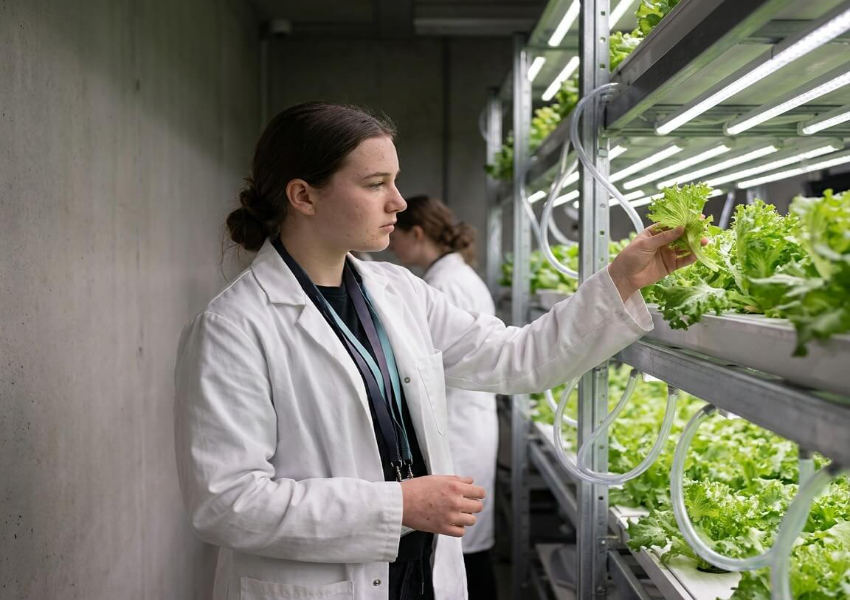
The Agrifood Tech summer camp in Italy has open places for July 2027 and welcomes young people aged 15 to 18 who are interested in food science, production and technology. Over two weeks, your child takes part in 60 hours of classes and laboratories in English, visits companies in Milan, Piacenza and Turin, and develops an original food innovation concept.
What does your child study in Agrifood Tech?
Your child studies how food is produced, assessed and followed along a chain. The programme connects chemistry, food safety, sustainable production and technology to an original innovation project.
Before it reaches the plate, a food has passed through choices about growing, quality controls and distribution. Your child sees how science and technology take part in those decisions across three blocks of work:
- Food science and safety: understanding properties, quality and the care involved in production.
- Agritech: contact with vertical farms, traceability and blockchain in the food chain.
- Innovation: developing an original concept that links a need to a proposed solution.
Vocational summer camps let a young person get to know a field through its activities. Here, your child can turn curiosity about what they eat into questions about science and production, before choosing a profession.
How do classes connect with the laboratory and the visits?
The programme combines food science with contact with how food is produced. The group goes through classes and laboratories and visits companies to see the topics in use, before developing an original innovation concept.
The academic day runs from 10:00 to 12:30, with a break for lunch and laboratory work from 13:30 to 16:30. That split leaves room for explanation and for practical work during the day.
To picture the subject before the trip, your family can start from a packaged food. The ingredient list, the origin and the batch identification answer different questions:
- Composition: which ingredients are part of that product?
- Origin: where was it produced, and which details make it possible to follow its path?
- Batch: which identification links that unit to a group from production?
This everyday example brings your child closer to problems they will meet in the programme. Looking into composition leads to food science. Following a batch leads to the records of the production chain.
On the visits, the student can recognise how companies work with these different kinds of information. What they observe connects with their own questions, so they can return to class with concrete situations about production and control.
How do vertical farms and traceability solve different problems?
Vertical farms deal with how growing is organised. Traceability deals with following the origin and the path of food. The programme presents these applications inside the agritech block, including the use of blockchain for records along the chain.
One example to discuss at home is to separate two decisions in a production:
- Using growing space: organising plants in levels, as vertical farms do, changes how production is arranged in the space available.
- Following a batch: linking records of origin and path makes it possible to investigate where that group of products has been.
The first decision is about how to produce. The second is about which information to keep along the way. Blockchain enters that second subject as a recording technology that can support the sharing of information among people in the chain.
Technology for teenagers gains a concrete use in food. If your child likes science and digital tools, Agrifood lets them see those connections in classes, laboratories and companies in the sector.
What project does the young person develop at the end?
The student develops an original food innovation concept. The project brings together what they learned about science, technology and production in a proposal that needs a clear problem and a logic someone else can follow.
The final proposal links a need to the idea the student developed during the fortnight. Back home, your child can present to the family:
- Need: the problem they chose to investigate.
- References: concepts from class and examples from the visits that shaped the proposal.
- Development: decisions that changed during the experience.
- Continuity: questions they would like to take further after the programme.
The certificate of completion records participation in the programme.
Is Agrifood Tech the same as a gastronomy course?
Agrifood Tech and gastronomy both work with food, but they lead to different activities. The choice becomes clearer when your family identifies what the young person wants to try:
- Agrifood Tech: science, safety, production and technologies applied to the food chain.
- Gastronomy: culinary preparation and work related to the kitchen.
The gastronomy exchange brings the student closer to culinary practice. Agrifood answers curiosity about what happens before food reaches the kitchen, and about solutions that can change how it is produced.
What is the difference from medicine or business?
Each path answers a vocational question and puts one kind of activity at the centre:
- Medicine: exploring human health and the medical field.
- Business: decisions and the organisation of companies.
- Agrifood: the connection between science, technology and food, from production to innovation proposals.
The medicine summer camp may interest a young person who wants to see how people are cared for. The business summer camp brings the experience closer to how a company works.
If those interests appear together, our consultant helps choose the activity your child wants to live first. In Agrifood, innovation grows from food and from science. That focus guides the classes, the visits and the project of the fortnight.
Why does the programme go through Milan, Piacenza and Turin?
The three cities bring the group close to different settings in the food sector. Milan is the base for innovation and accommodation, Piacenza is a centre linked to agricultural research, and Turin is a reference for the food industry.
The route combines the classroom, the laboratory and company visits. That helps your child see that producing and developing food involves different activities, carried out by people with different training and responsibilities. The schedule brings the cities into one route, with different services according to the format chosen:
- Company visits: Milan, Piacenza and Turin are part of both formats.
- Accommodation: a residence in Milan for those on the residential format.
- Cultural activities: a walk through Milan and an excursion to Lake Como are planned for residents.
Our consultant explains the travel between cities and the organisation of each format before the trip. The family can then match participation in the activities with where the young person stays, knowing the accommodation and the support planned.
What dates and formats are available in 2027?
The residential programme runs from 4 to 17 July 2027. The day programme runs from 5 to 16 July. Both follow the same two-week course, with 60 hours of classes and laboratories.
On the residential programme, your child stays in a university residence in Milan, in a single room with a bathroom. The setting includes study spaces, a gym, shared areas and a team present 24 hours a day. The family's choices become clearer when they are separated:
- Residential: staying with the group, full board and the cultural activities of that format.
- Day: taking part in the academic activities and visits, with accommodation and the daily return organised by the family.
The academic day includes a break for lunch. The specific meals of the day format should be confirmed in the individual briefing, without confusing that format with residential full board.
What preparation helps a teenager make the most of the experience?
Curiosity about science, and a willingness to follow activities in English, help a teenager make the most of the programme. It also matters that they are ready to work with subjects they may not know before the trip.
Preparation can stay close to the activities they will meet:
- Observation: write down a question about the origin or the production of an everyday food.
- Communication: practise how to present an idea and ask for clarification in English.
- Organisation: keep notes and references to follow the development of a project.
A summer camp abroad takes that learning into an international group. Our consultant talks through communication in English and helps identify what your child can practise before the trip so they can join the classes and the group life.
What needs to be aligned before the trip is defined?
The family needs to align age, dates, the stay format, support and logistics. The programme's age range is 15 to 18, and classes take place in English.
The project includes classes, laboratories, company visits and a certificate. Civil liability and accident insurance are included. The consultant explains the conditions that apply and any extra protection that may be needed. It is also worth separating the items that the family organises:
- Flights: times that fit the arrival and departure of the programme.
- Transfer: a service available on request.
- Day format: accommodation and daily travel organised by the family.
- Personal care: dietary needs and information that matters for looking after the student.
The information the family shares makes it possible to check the conditions of care before the experience is defined. Our consultant stays with that conversation so you know the support planned and can organise the trip around the young person's needs.
Frequently asked questions about Agrifood Tech in Italy
Does my child need to want to become a farmer?
No. The subject can also interest young people who are curious about food, chemistry, technology and innovation. The programme lets them explore those connections before choosing a professional course.
How do we report a dietary restriction?
A dietary restriction should be reported to the consultant before the trip is defined. Care depends on confirmation of the programme's conditions for the need presented.
What should we ask about personal laboratory items?
Clothing, shoes and personal items should follow the programme's instructions. The consultant guides the family through that list before the trip.
How can my child record what they learned?
Notes can record questions, concepts and decisions from the project. Photographs on visits or in laboratories depend on authorisation.
Can we treat the place as confirmed when the conversation starts?
No. Places are open for 2027, but each student's participation depends on confirmation of profile, availability and the programme's conditions. The consultant follows that assessment with the family.
Your child wants to understand the future of food. How do you turn that curiosity into next July?
Tell us which questions about science and food catch their interest. Our curation helps your family build the Agrifood Tech project for July 2027.
Be Easy: boutique study abroad consultancy
Be Easy supports your family in choosing the format and preparing the experience in Italy. Our curation, with a dedicated senior consultant, follows the young person's interest and the organisation of the trip: contact us to talk about 2027.

